
FIELDBODY
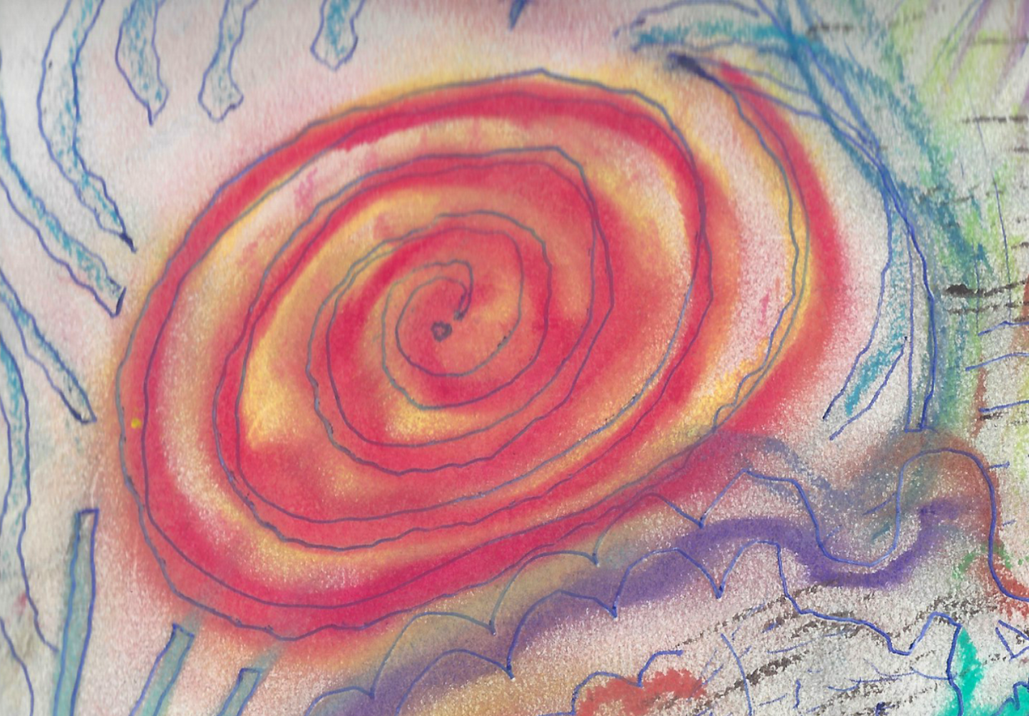
Somatic and energetic transformation of subconscious patterns.
Emotions are meant to move through us. They communicate through sensation. As we bring awareness to what we feel and learn to listen deeply, even what is painful can open into healing, self-discovery, and spiritual growth.
FieldBody draws from somatic, experiential, transpersonal, and energetic approaches. We move beyond analysis and into direct experience.
As subconscious patterns loosen, we regain connection, freedom, and trust
in ourselves.
HOW SUBCONSCIOUS PATTERNS BEGIN
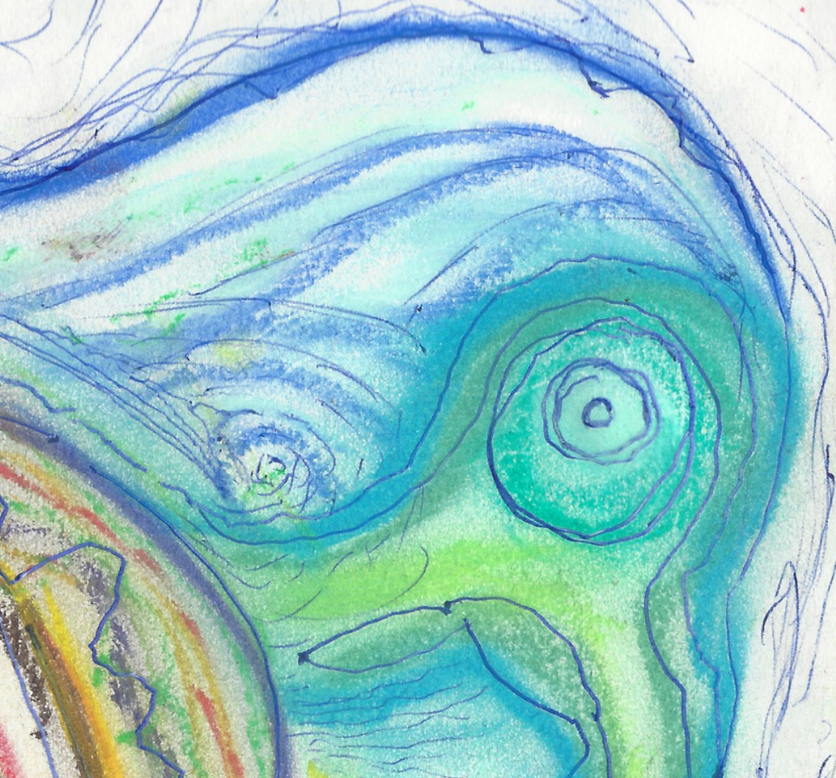
Life is made of experiences. Something happens and we feel it. If it hurts, we resist it. If it feels good, we cling to it.
What has not been fully experienced remains within us. Around it, we build ways of protecting ourselves. Beliefs form. Preferences harden. Responses become automatic.
Eventually, we mistake everything we have accumulated for who we are. We call it “just who I am,” not realizing it’s a wall built brick by brick, one unfelt moment at a time.
We may understand ourselves deeply and still repeat the same patterns.
This is where the work begins.
WHAT HAPPENS IN A SESSION
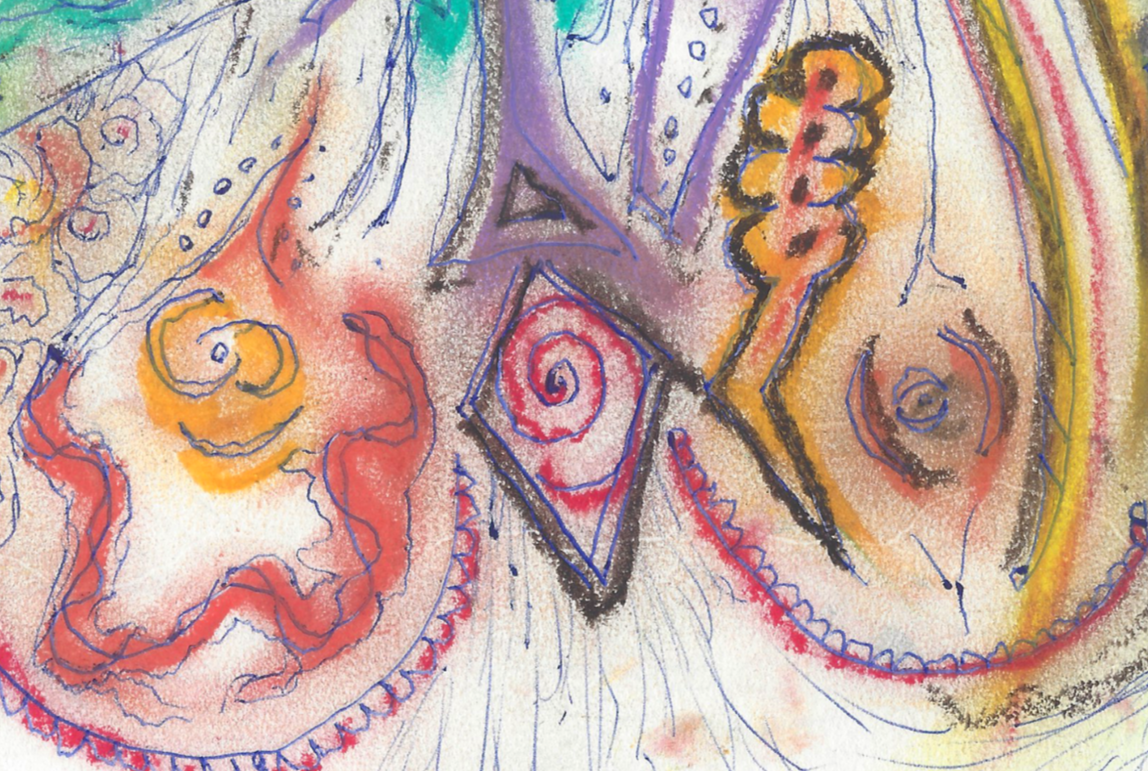
We begin with conversation, followed by heart-coherent breathing that shifts attention from the story into direct experience.
We meet what arises through sensation - its shape, texture, temperature, or movement. A sensation may open into an image, memory, or earlier experience. Rather than analyzing it, we meet the experience with awareness, compassion,
and safety, allowing it to unfold.
You remain conscious and aware throughout. I stay closely attuned, guiding the process while following where it leads.
Sessions are primarily seated. Movement, drawing, gesture, sound, or energetic experience may also become part of the work.
We listen. We follow. We allow.
-
FieldBody treats the person as a whole: body, mind, emotions, and spirit. Unlike purely talk-based therapy, it may incorporate somatic exercises, expressive arts, breathwork, and energy work. The approach is tailored to each client; nothing is forced.
-
Anxiety and overthinking
Processing trauma
Grief and loss
Life’s big transitions
ADHD symptoms
Emotional regulation
Limiting beliefs
Supporting creative work and expression
Deepening a spiritual or mindfulness practice
Taking an active, empowered role in your own inner life -
It depends entirely on the person and their goals. Some clients work toward a defined short-term goal (8–12 sessions), while others engage in longer-term depth work over time.
-
QEC is a method developed by Dr. Melanie Salmon, a medical doctor, Gestalt psychotherapist, and trauma specialist, that helps transform limiting beliefs at the subconscious level.
-
Pangu Shengong is an energy cultivation and healing practice developed by Master Ou Wen Wei. In FieldBody sessions, I use it to support the process through healing energy, promoting balance, integration, and transformation.